If Wilson catches your eye, you are probably trying to answer a simple question with a complicated local twist: what kind of luxury home lifestyle do you actually get here? Wilson is not one thing. It blends a compact historic core, transition areas near Fish Creek, and larger edge parcels that feel more spread out, so your experience can change a lot from one part of the community to the next. This guide breaks down Wilson’s main home styles and micro-locations so you can better match your goals, setting preferences, and day-to-day rhythm. Let’s dive in.
Why Wilson Feels Different
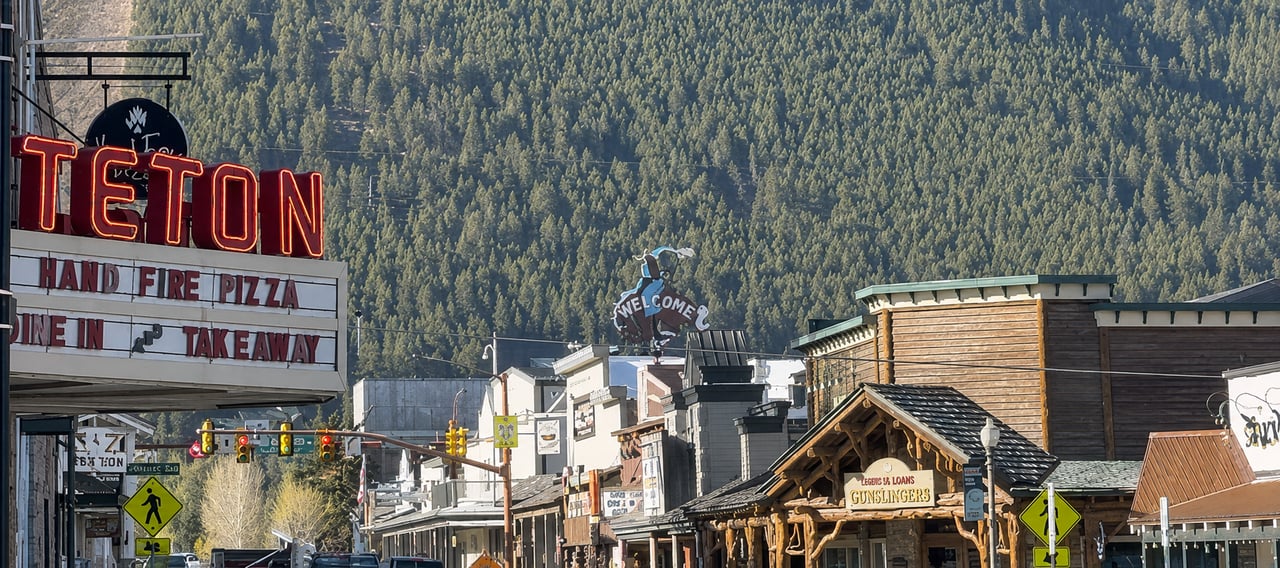
Wilson is planned by Teton County as a county node, not a resort district. In practical terms, that means the area is meant to support daily living with local convenience commercial uses, transit, recreation, emergency services, and access to the commercial core within walking distance in some areas.
That planning framework also helps explain why Wilson often feels quieter and more residential than nearby resort-oriented areas. The county’s direction emphasizes a town-style node that serves daily needs, along with responsive growth, pedestrian access, and protection of natural features such as Fish Creek and its riparian corridors.
For luxury buyers, that matters. In Wilson, value is often tied not only to square footage or finishes, but also to how a property fits into this local pattern of village access, open space, wildlife movement, and creek or wetland sensitivity.
Wilson’s Three Main Micro-Locations
Townsite Lots
The Wilson Townsite is the most compact and walkable part of the community. County character district materials say this area is meant to preserve its historic 50-by-150-foot lot pattern, with one single-family home per lot and the possibility of an accessory residential unit.
Streets here are expected to keep a rural character, with natural drainage swales instead of more urban street features like sidewalks. Off-street pathways connect residential areas to the commercial core, which supports a lifestyle where local errands and gathering spots may feel more accessible without a car.
From a buyer’s perspective, Townsite properties usually appeal to people who want a more village-like setting in Wilson. If you like being close to the core and prefer a compact homesite over a more spread-out parcel, this part of Wilson often best matches that goal.
Wilson Meadows
Wilson Meadows is described by the county as a transition between the townsite and a more rural setting. Lots are generally one to two acres, and the development pattern centers on detached single-family homes.
This area often gives you more breathing room than the Townsite while still keeping a connection to Wilson’s core. The county also notes that pedestrian and bike links to the commercial core would improve livability, which reinforces the idea that Meadows properties sit in a middle ground between convenience and separation.
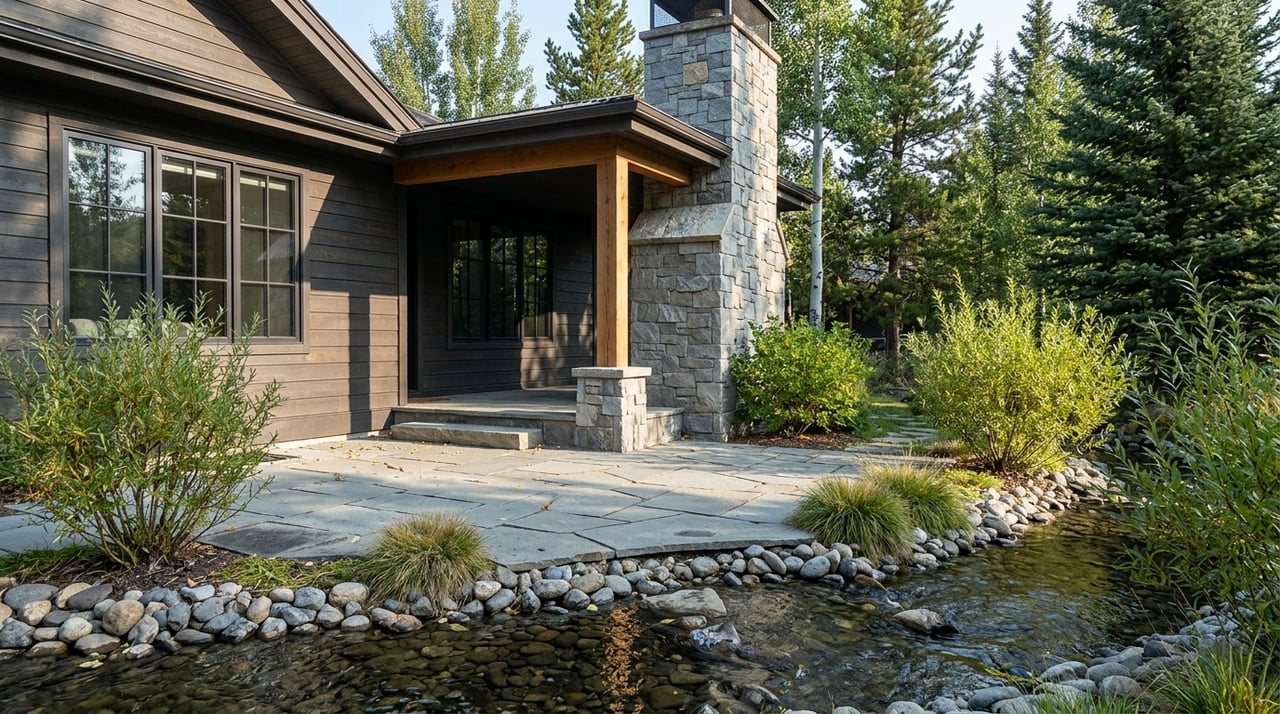
Fish Creek plays an important role here. Development is expected to be set back from the creek and adjacent riparian areas to help preserve habitat function, so creek-adjacent or near-creek settings can come with added design and site-planning considerations.
South Wilson
South Wilson is the less-developed area south of the commercial core. County materials describe it as an area with larger lots and one detached residential unit per three acres.
This is also an important wildlife corridor linking the Teton Pass area to Fish Creek and the Snake River. The county specifically calls for protection and enhancement of Fish Creek, Edminston Spring Creek, wetlands, and connected habitat systems.
For many buyers, South Wilson is the closest match to an edge-of-town, lower-density lifestyle. If you are looking for more separation, larger land area, and a setting shaped by open space and environmental context, South Wilson is often where that search starts.
How Home Styles Show Up in Wilson
Mountain Vernacular Homes
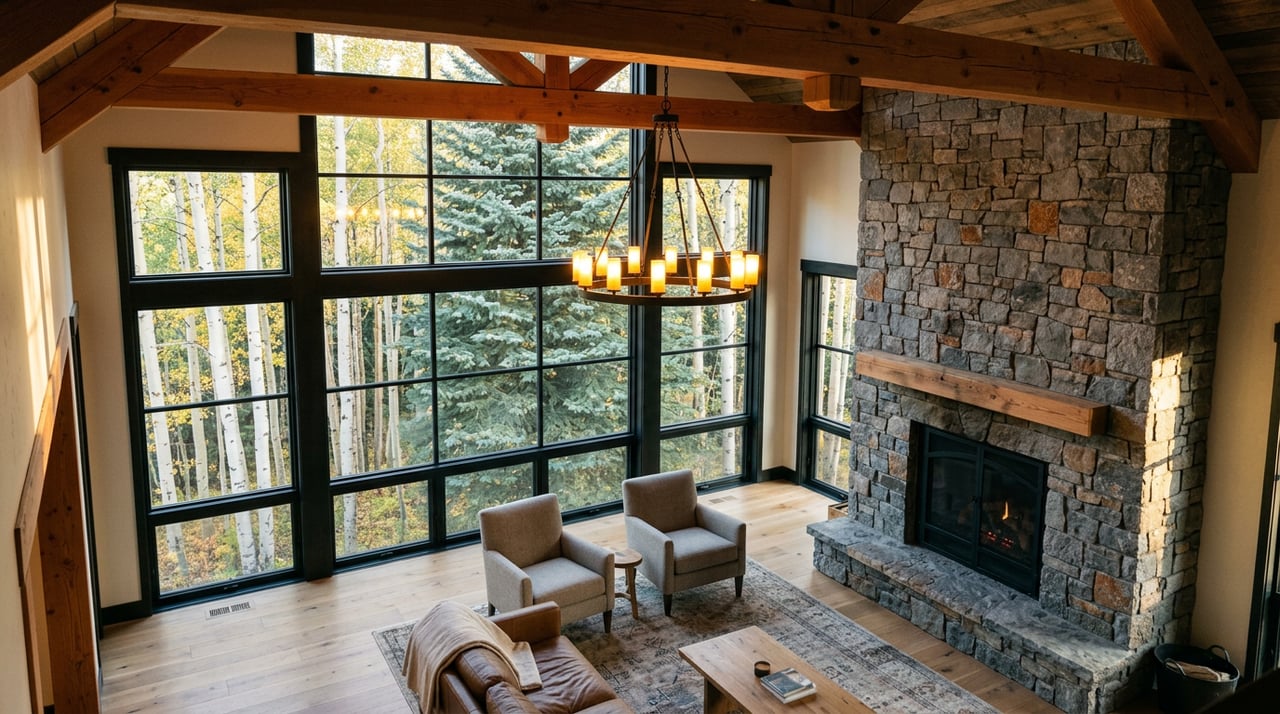
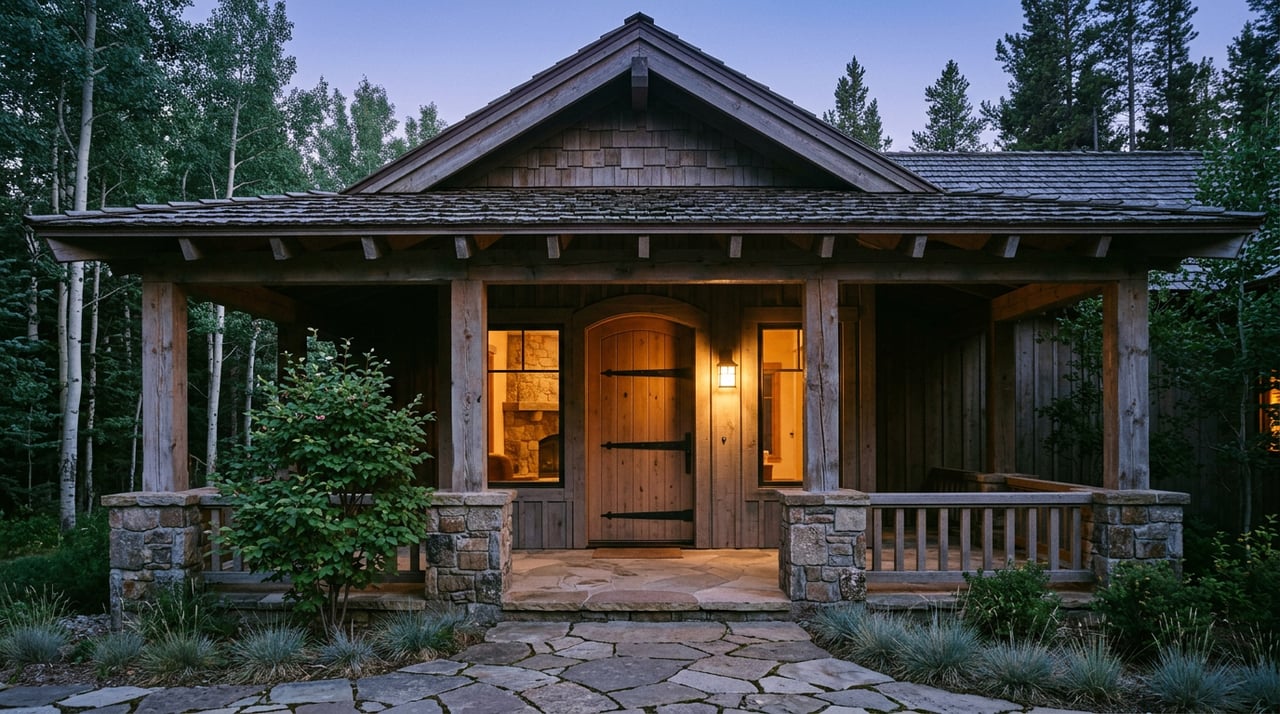
Wilson’s luxury housing often aligns well with the broader Mountain West and Teton vernacular. You will commonly see timber-forward homes, deep porches, gabled rooflines, stone elements, and natural materials that fit the landscape.
These homes can show up in each micro-location, but they read differently depending on the lot. In the Townsite, the same style may feel more compact and village-scaled. In Wilson Meadows or South Wilson, it may sit more expansively within meadow, creek-edge, or wooded surroundings.
Contemporary Custom Homes
You may also find newer custom homes with cleaner lines and more contemporary finishes. In Wilson, these homes still tend to be shaped by site integration, practical access, and the county’s expectations around natural systems, setbacks, and lower-density development patterns in certain areas.
That means contemporary design here is often less about urban modernism and more about combining updated architecture with mountain context. The result can be a home that feels polished and current without losing the connection to place that many Wilson buyers want.
Smaller Legacy Homes and Reimagined Properties
Especially near the Townsite, some properties may be valued as much for location and lot pattern as for the existing structure itself. Buyers who are open to renovation or thoughtful updating may see opportunity in homes that offer access to Wilson’s compact village setting.
This is where construction and renovation insight becomes especially useful. A property’s appeal may depend on how well you understand the lot, the setting, and the constraints that shape what is possible over time.
What Usually Drives Price Differences
Lot Size and Density
One of the clearest value drivers in Wilson is the difference between compact and low-density living patterns. Townsite lots are the smallest and most village-like, Wilson Meadows generally offers one- to two-acre lots, and South Wilson moves into larger-lot territory with one detached residential unit per three acres.
That range changes how a property lives. More land can mean more buffer and separation, while a smaller lot closer to the core may offer stronger walkability and easier access to daily conveniences.
Privacy and Separation
Privacy means different things in different parts of Wilson. In the Townsite, privacy may come from thoughtful home design within a compact setting. In Meadows and South Wilson, privacy is more often shaped by lot size, setbacks, natural edges, and the spacing between homes.
For many luxury buyers, that difference is central. A buyer looking for a social, connected home base may prioritize access and village feel, while a buyer seeking a quieter retreat may focus more on larger parcels and edge conditions.
Creek and Riparian Adjacency
Fish Creek and related riparian areas are a major part of Wilson’s identity, but they also bring real planning considerations. The county calls for setbacks from Fish Creek and protection of habitat function, which means creek-adjacent properties may offer a special setting while also carrying design limits or added site sensitivity.
That balance can influence both lifestyle and price. Proximity to water and green edges can be highly appealing, but the property’s use and long-term planning options may be shaped by those environmental factors.
Floodplain and Site Design Context
The Snake River management plan notes that the Wilson to South Park segment crosses a wide floodplain, with levees along much of the segment helping protect private property from flooding. For buyers comparing open-valley or creek-adjacent homesites, flood-conscious site design and local conditions are worth careful review.
This does not mean every property faces the same issue. It does mean that setting, setbacks, habitat protections, and site planning can all play a role in how a home is valued and how it functions over time.
Lifestyle and Access in Wilson
Walkability and Pathways
Wilson is connected to the valley’s pathway system, and Teton County highlights several pathway and active transportation efforts tied to the area. These include the Wilson to Stilson Pathway along the south side of Highway 22, broader county pathway connections, and active planning work through the Wilson Corridor Study.
For you as a buyer, this helps frame Wilson as a place where mobility is part of daily life, not just a future idea. Depending on where you live, access to pathways, bike connections, and the commercial core may shape how often you use your car and how connected your routine feels.
River Recreation
The Wilson Boat Ramp is open to the public and sits off Moose-Wilson Road next to R Park. Teton County’s river information also notes that the Snake River through Jackson Hole supports boating, fishing, and riverside recreation, with a mix of public and private land segments affecting on-water use.
That matters because recreation in Wilson is woven into everyday living. For many buyers, the area’s appeal is not just visual. It is the ability to build routines around river access, trails, and time outside.
WYO 22 and Ski Access
Ski and trail access are tied closely to the WYO 22 corridor. County planning around the Tribal Trail Connector is intended to improve multi-modal connectivity among areas accessed by WYO 22, including Wilson and Teton Village.
Jackson Hole Mountain Resort also identifies the Teton Village base area as a point of access to trails connecting the resort, Bridger-Teton National Forest, and Grand Teton National Park. For many buyers, that makes Wilson an appealing west-bank home base with strong access to skiing and trail systems while maintaining a more residential feel.
How To Choose the Right Wilson Fit
Choose Townsite If You Want Daily Convenience
If your ideal Wilson experience includes a more compact setting, easier access to the commercial core, and a village-style rhythm, start with the Townsite. This area may suit buyers who want a lower-maintenance footprint or who simply enjoy being closer to Wilson’s everyday hubs.
Choose Meadows If You Want Balance
If you want more land without feeling far removed, Wilson Meadows often offers that middle-ground option. You may get more space and a softer transition to a rural setting while still staying connected to Wilson’s core and pathway network.
Choose South Wilson If You Want Space
If your priority is larger acreage, lower density, and a setting shaped by open land and wildlife corridor context, South Wilson is likely the best fit. This area often appeals to buyers who value separation, natural surroundings, and a more spread-out pattern of development.
A Smart Wilson Search Starts With Context
In Wilson, luxury is not defined by one look or one label. It is shaped by where a property sits within the Townsite, Meadows, or South Wilson pattern, and by how that setting affects walkability, privacy, habitat adjacency, recreation access, and long-term usability.
That is why a strong Wilson home search starts with local context before it starts with finishes or headline features. If you want clear, low-pressure guidance on how different Wilson micro-locations compare in real life, Harland Brothers Real Estate can help you evaluate the setting, the land-use context, and the lifestyle fit with care.
FAQs
What are the main luxury micro-locations in Wilson, Wyoming?
- The main buyer-facing patterns are the Wilson Townsite, Wilson Meadows, and South Wilson, each offering a different mix of lot size, density, access, and natural setting.
What is the most walkable part of Wilson?
- The Wilson Townsite is the most compact and walkable area, with off-street pathways connecting residential areas to the commercial core.
How is Wilson Meadows different from South Wilson?
- Wilson Meadows is a transition area with one- to two-acre lots near the core, while South Wilson is less developed, has larger lots, and follows a lower-density pattern of one detached residential unit per three acres.
Do creek-adjacent homes in Wilson have special considerations?
- Yes. Properties near Fish Creek and riparian areas may be affected by setbacks, habitat protection priorities, and site-planning constraints that can influence design and value.
Why do home prices vary across Wilson micro-locations?
- Price differences are often shaped by lot size, privacy, walkability, proximity to the core, creek or riparian adjacency, and site factors such as habitat sensitivity and flood-conscious design context.
Is Wilson a good location for ski and outdoor access?
- Wilson is connected to pathway and transportation improvements, offers public river access at the Wilson Boat Ramp, and sits along the WYO 22 corridor used to reach Teton Village and regional trail systems.