Wondering whether your best fit in Driggs is a home in town or a Teton-view parcel with more elbow room? It is a common decision, especially if you are drawn to both the ease of downtown living and the appeal of open space. This guide will help you compare the tradeoffs that matter most, from lot size and utilities to access, recreation, and long-term planning context. Let’s dive in.
Why this choice matters in Driggs
Driggs is a small incorporated city in Teton County, with 1,984 residents counted in the 2020 Census. Teton County had 11,630 residents in 2020 and an estimated 12,932 by July 1, 2024. That smaller-town scale is part of the appeal, but it also means your experience can change quickly depending on whether a property sits inside city limits, in the Driggs Area of City Impact, or in unincorporated county land.
That distinction matters because land-use rules, utility access, and development patterns are different in each setting. In simple terms, in-town Driggs tends to offer more convenience and services, while outlying Teton-view parcels tend to offer more land, privacy, and scenery. Neither is automatically better. The right choice depends on how you want to live and what kind of property stewardship feels right for you.
In-town Driggs at a glance
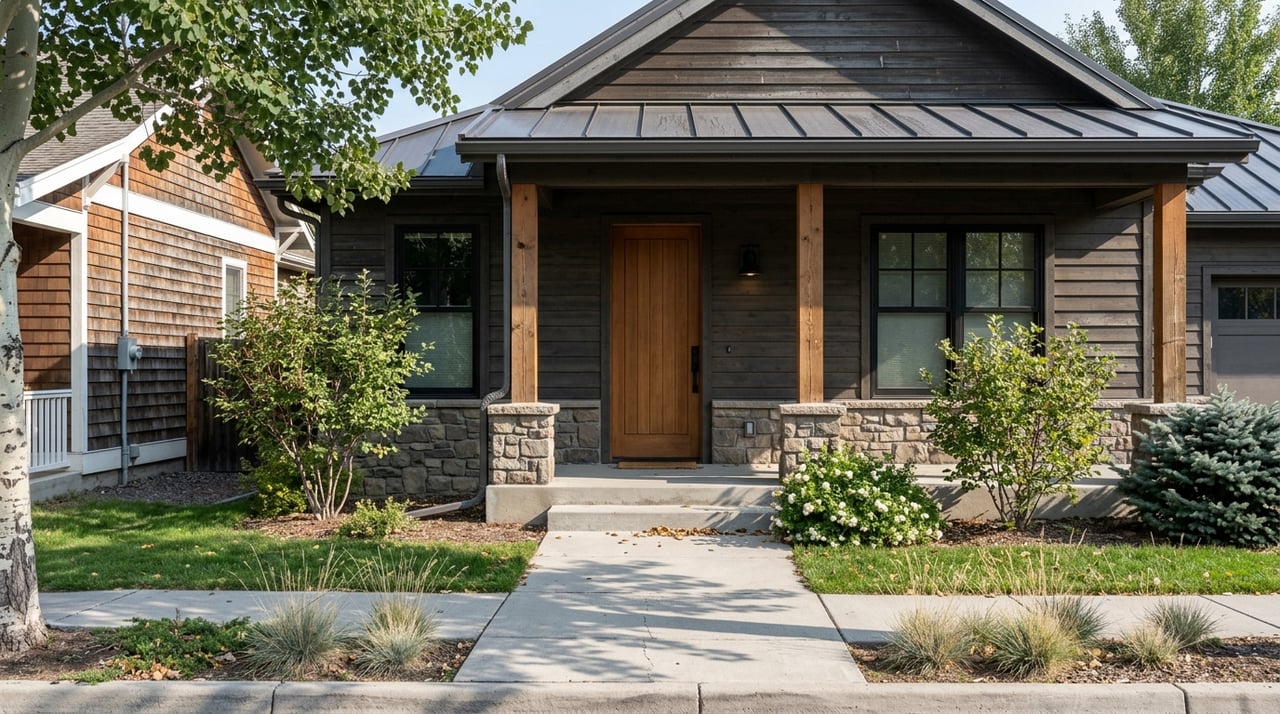
If you want a more connected, convenience-driven lifestyle, in-town Driggs deserves a close look. The city’s base single-family and two-family district, RS-7, uses a minimum lot size of 7,000 square feet. Compared with acreage properties outside town, that usually means a smaller homesite and a more compact neighborhood pattern.
Driggs is also making room for a wider range of housing types. City planning materials point to smaller-lot and higher-density options that can include duplexes, attached houses, backyard cottages, cottage courts, townhomes, condos, apartments, and mixed-use buildings. That broader housing mix can create more options for buyers who want a lower-maintenance property or a location closer to downtown amenities.
What in-town living offers
Living inside the city often means easier access to municipal infrastructure and day-to-day services. Driggs provides water and sewer utility connections, and the city says new residences or commercial buildings within the city, or within 300 feet of an existing sewer line, are required to connect to the city system.
The city also maintains streets, streetlights, bike paths, parking, transit facilities, and snow removal. For many buyers, those practical details matter just as much as the home itself. If you want a property where core services are more centralized and predictable, in-town living may feel simpler.
Downtown amenities and convenience
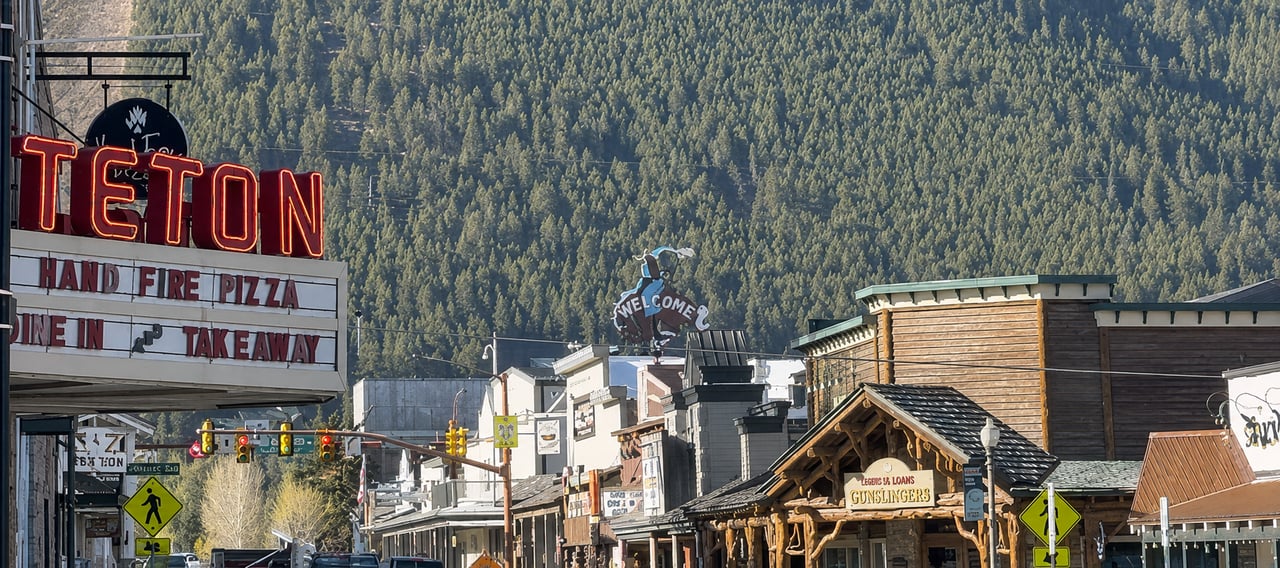
Driggs concentrates many civic and recreation amenities in town. The City Center building includes City Hall, Seniors West of the Tetons, Teton Arts Gallery, the Teton Geo Center, Teton Indoor Sports Academy, and Teton Rock Gym. The city park system also includes City Park, Primrose Park, Valley Center Park, Lions Park, 5th Street Skate Park, and Mount Shredmore Park.
The city also notes support for START Bus commuter routes and the Grand Targhee Resort shuttle. If you value being closer to community spaces, pedestrian and bike infrastructure, and downtown activity, that in-town convenience can shape your daily routine in a meaningful way.
Teton-view parcels at a glance
If your priority is space, scenery, and a stronger rural feel, Teton-view parcels outside the core often stand out. The county zoning framework beyond town is built around lower density and larger landscapes. That creates a very different ownership experience from what you will usually find inside city limits.
In the Driggs Area of City Impact, AOI-2.5 parcels have a 2.5-acre minimum lot size and AOI-20 parcels have a 20-acre minimum lot size. Farther into unincorporated Teton County, zones such as RN-5, FH-10, FH-20, RR-20, RA-35, and LA-35 are designed around sparse development patterns and larger acreage settings.
What larger parcels can offer
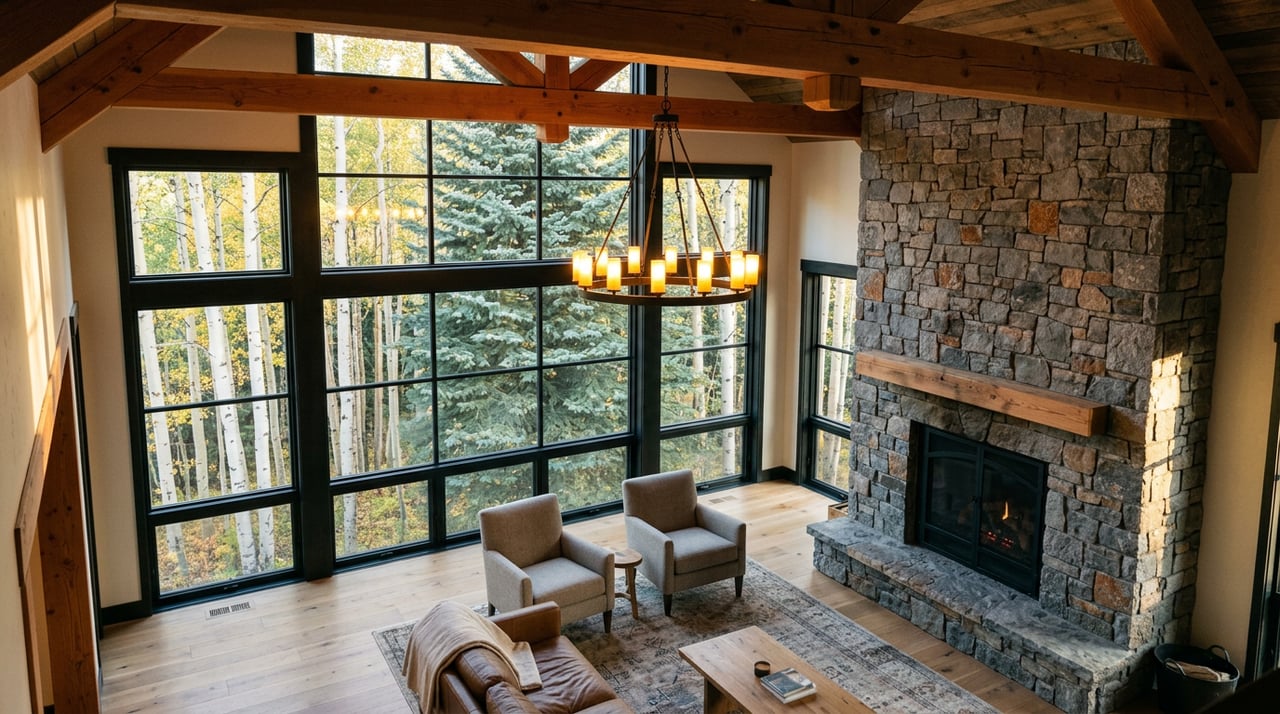
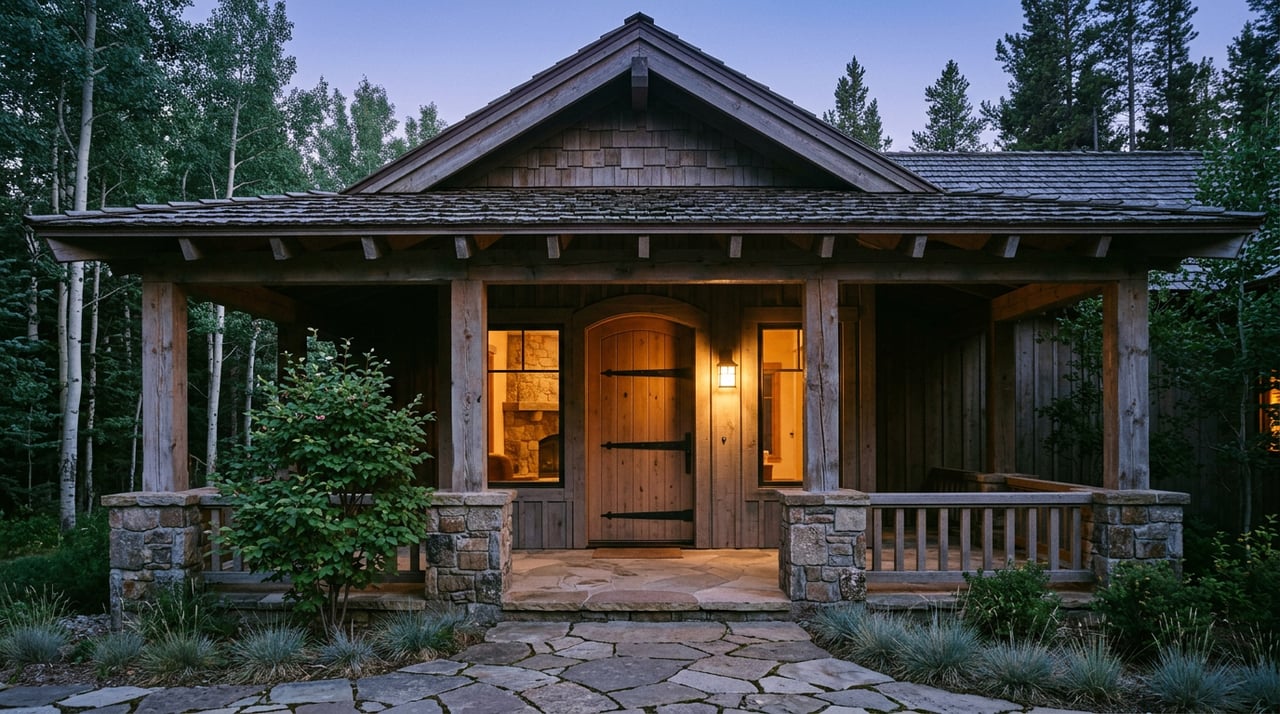
A Teton-view parcel often gives you more breathing room, fewer immediate neighbors, and more flexibility in how a homesite relates to the landscape. That can be especially appealing if you want a broader mountain backdrop, room for outbuildings where allowed, or a property that feels more separate from the downtown grid.
At the same time, the county code makes clear that these areas are intended to preserve larger landscape values. Depending on the zone, those priorities can include scenic views, wildlife habitat, steep slopes, wildfire safety, riparian areas, native vegetation, public access to state and federal lands, and open-space patterns. That planning context is part of what helps maintain the rural character many buyers are seeking.
Utilities and infrastructure are a major divider
One of the biggest differences between in-town Driggs living and view parcels is not visual at all. It is infrastructure. This is where a property that looks ideal online can become much more complex in practice.
Inside town, city water and sewer are a major convenience. Outside the core, utility questions can become parcel-specific quickly. If a property is not served by city utilities, buyers should confirm water and wastewater plans early in the process.
Sewer, septic, and water questions
Driggs says that all new residences or commercial buildings within the city, or within 300 feet of an existing sewer line, are required to connect to the city system. If a new structure is not within 300 feet of an existing line, the city says it will not issue a building permit until the owner either negotiates a line extension or obtains a septic permit from District 7 Health Department.
For outlying parcels, that means due diligence around wells and onsite wastewater is essential. Idaho regulates wells through the Department of Water Resources, and septic or onsite wastewater through DEQ and local health districts. Even when a parcel outside city limits connects to city utilities, Driggs says outside-city water and sewer usage rates are 1.5 times the in-city rate.
Planning rules shape long-term feel
When you compare these two property types, it helps to think beyond the first year of ownership. The planning direction inside town and outside town is not the same. That can influence how a property fits your goals over time.
In-town Driggs is moving toward more compact housing and infill. The city’s Qualified Workforce Housing Incentive Program, or QWHIP, offers density bonuses, height increases, lot-coverage increases, and fee waivers inside city limits. The city also says it has adopted incentives for affordable and workforce housing while removing barriers to multifamily housing and accessory dwelling units.
What that means for buyers
This does not predict value, but it does suggest a different pattern of change. In-town parcels may be more influenced by redevelopment, utility extensions, and evolving housing options. If you like being near a growing downtown and appreciate the logic of more compact development, that can be a plus.
Outside the core, county rules place stronger emphasis on low density, open space, wildlife, wildfire considerations, and landscape protection. That can support the spacious, scenic feel many buyers want from a Teton-view parcel. It can also mean more constraints and more diligence before you build, improve, or reposition a property.
Recreation access looks different in each setting
Both options offer access to the broader Teton Valley lifestyle, but they do so in different ways. In-town Driggs gives you easier access to maintained bike and pedestrian infrastructure, civic amenities, and transit connections. That can make everyday recreation feel more spontaneous and less car-dependent.
Outside town, the draw often shifts toward immediate proximity to open land and trailheads. The U.S. Forest Service says Teton Canyon Campground is about 11 miles east of Driggs, with trails leading to Alaska Basin and Table Mountain in the Jedediah Smith Wilderness. If your ideal morning starts with open skies and quick access to public land, a view parcel may better match that vision.
Rental and future-use questions deserve extra care
If you are thinking about future income potential, do not rely on assumptions. The City of Driggs says it is amending its Land Development Code to align with Idaho House Bill 583 before the law’s July 1, 2026 effective date. That makes parcel-specific review especially important for anyone considering short-term rental use or future income planning.
Annexation can also matter in some cases. Driggs says property owners with land contiguous to current city limits and within the Area of City Impact may apply for annexation. For some buyers, that creates an interesting middle ground: a property that feels more rural today, with a possible future path toward city services or city zoning.
Which option fits your lifestyle best?
If you want a simpler utility picture, a smaller lot, and easier access to downtown amenities, in-town Driggs is often the more straightforward choice. It can be a strong fit if you value convenience, a connected street network, civic amenities, and a property type that may need less land management.
If you want bigger views, more acreage, and a stronger sense of separation from town, a Teton-view parcel may be the better fit. Just be ready for a more detailed review of zoning, water, wastewater, access, and future-use constraints before you move forward.
The right answer usually comes down to one question: do you want municipal convenience, or do you want elbow room and a more rural landscape feel? If you want help weighing those tradeoffs in Driggs and across Teton Valley, Harland Brothers Real Estate offers thoughtful, low-pressure guidance grounded in local land knowledge and mountain-market experience.
FAQs
What is the main difference between in-town Driggs living and Teton-view parcels?
- In-town Driggs generally offers smaller lots, city services, and closer access to downtown amenities, while Teton-view parcels outside the core usually offer more acreage, more privacy, and a stronger rural setting.
What are typical lot-size patterns in Driggs, Idaho?
- In Driggs, the RS-7 district uses a minimum lot size of 7,000 square feet, while parcels in the Driggs Area of City Impact can start at 2.5 acres or 20 acres depending on zoning, and unincorporated county zones can be even larger.
Do Teton-view parcels near Driggs always have city water and sewer?
- No. Some outlying parcels may not be served by city utilities, so you should verify water supply, sewer availability, well rules, and septic requirements early in your due diligence.
Are utility costs different outside Driggs city limits?
- Yes. Driggs says water and sewer usage rates outside the corporate city limits are 1.5 times the in-city rate when those outside properties connect to city utilities.
Is in-town Driggs better for walkability and daily convenience?
- In many cases, yes. The city maintains streets, streetlights, bike paths, parking, transit facilities, and snow removal, and many civic and recreation amenities are concentrated in town.
What should buyers verify before purchasing a Driggs-area parcel for rental use?
- You should confirm current local rules for the specific property, especially because the City of Driggs says it is updating its Land Development Code to align with Idaho House Bill 583 before July 1, 2026.
Can land near Driggs be annexed into the city later?
- In some cases, yes. Driggs says property owners with land contiguous to current city limits and within the Area of City Impact may apply for annexation.