If your idea of a standout Wyoming property includes room to roam, true access to the outdoors, and a town that still feels grounded in the West, Dubois deserves a closer look. Many buyers want more than mountain views. They want usable land, nearby public access, and a setting that feels private without feeling cut off. In Dubois, that mix is a big part of the appeal. Let’s dive in.
Dubois Offers A Different Kind Of Wyoming Appeal
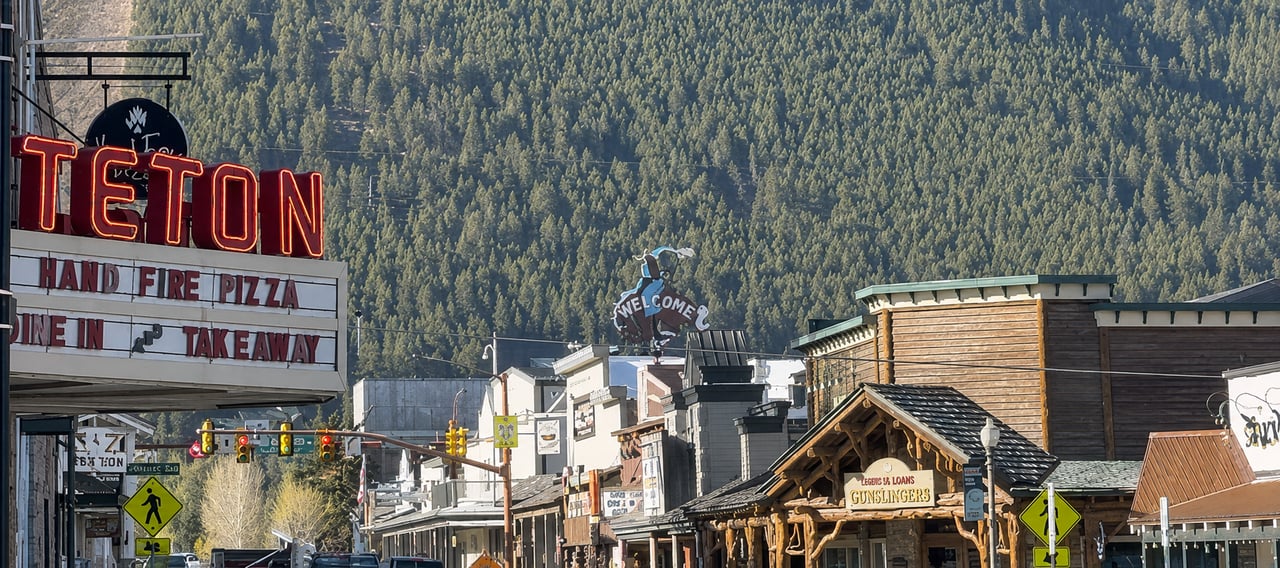
Dubois is not trying to be a polished resort town, and that is exactly why it stands out to many trophy ranch and recreation buyers. With a 2020 Census population of 911, it remains a very small community with a quiet, self-contained feel. Local tourism materials describe it as one of the last real old West towns, and that identity shapes the experience of being there.
For buyers who want a remote Western base, Dubois can feel refreshingly authentic. You get a small-town setting with practical services, a compact downtown, and a landscape that does most of the talking. The appeal here is less about being seen and more about having space, access, and a strong sense of place.
Dubois Feels Remote But Stays Reachable
One reason Dubois works so well for seasonal owners and recreation-minded buyers is its location. The town sits on US 26/287 along the Wyoming Centennial Scenic Byway, connecting it west toward Jackson and east toward Riverton and Lander. That makes it easier to reach than its remote character might suggest.
Dubois is also positioned near some of the West’s best-known destinations without sitting inside a busier tourism corridor. Local materials place it about 50 miles east of Grand Teton National Park and roughly 83 miles from Yellowstone’s south entrance by way of the Dubois-to-Moran route. For many buyers, that balance matters. You can enjoy a quieter home base while still having access to major regional draw points.
Public Land Shapes The Lifestyle
The biggest long-term advantage around Dubois may be the surrounding public land base. Shoshone National Forest, which surrounds the broader area, covers 2.4 million acres. According to the Forest Service, it includes more than 1.4 million acres of congressionally designated wilderness and more than 1,300 miles of trails.
That scale changes what ownership can feel like. Instead of relying only on your deeded acreage for recreation, you are buying into proximity to a much larger landscape. For buyers focused on hunting, riding, hiking, fishing access, or simply preserving elbow room, that is a meaningful part of the value proposition.
The Forest Service also notes that Dubois is surrounded by the Wind River and Absaroka mountains, and the Wind River Ranger District office is in town. Visitor maps for the area show roads, trails, campgrounds, and private versus public land designations. For ranch and recreation buyers, that type of clarity matters because access and boundaries are often central to how a property will actually be used.
BLM Land Adds Even More Elbow Room
In addition to national forest access, nearby Bureau of Land Management land adds to Dubois’s recreational appeal. A useful example is the Dubois Badlands Wilderness Study Area, which covers 4,520 acres. The BLM notes that it has no split estate or private inholdings.
That may sound technical, but it reinforces an important point. The area around Dubois is defined by large, open landscapes with fewer interruptions. For buyers looking for a property that feels connected to a broader block of usable country, this public-land pattern can be a major draw.
Wildlife Is Part Of Everyday Reality
Dubois is not just scenic country. It is active wildlife country. Wyoming Game and Fish identifies the Upper Wind River Mule Deer Migration Corridor as vital for the Dubois mule deer herd, noting that about 5,000 mule deer winter in the Upper Wind River Valley and cross US 26 daily.
That kind of wildlife movement says a lot about the landscape. It suggests habitat continuity, open travel routes, and less fragmentation than buyers may find in more built-up mountain markets. For trophy ranch buyers and recreation owners, that can be one of the strongest signals that the land still functions on a big scale.
Wyoming Game and Fish also says the Togwotee Trail wildlife-crossing project is designed to maintain habitat connectivity for mule deer, elk, bighorn sheep, white-tailed deer, moose, and pronghorn. In practical terms, Dubois sits in a region where wildlife is not an amenity added to the story. It is part of the story.
Hunting And Habitat Strengthen The Case
The surrounding habitat network adds even more weight to Dubois’s appeal. Whiskey Basin Wildlife Habitat Management Area sits about four miles east of town and is home to bighorn sheep as well as elk, moose, deer, coyotes, rabbits, and songbirds. Nearby, the Spence and Moriarity Wildlife Habitat Management Area covers 41,156 acres and is managed primarily for elk.
Wyoming Game and Fish says every big-game species in Wyoming except mountain goat lives in that area. For buyers evaluating ranch or recreational property, this helps frame Dubois as more than a scenic small town. It is a realistic base for owners who care about wildlife, hunting country, and the long-term character of the landscape around them.
The Land Base Supports Ranch Ownership
Fremont County’s agricultural profile also helps explain why Dubois resonates with ranch buyers. The 2022 Census of Agriculture reports 987 farms across 1,203,097 acres, with an average farm size of 1,219 acres. It also reports 1,052,549 acres of pastureland.
Those numbers matter because they reflect the broader land-use pattern around Dubois. This is a county where agriculture remains a dominant use of land, not a leftover one. Large acreage, pasture, and working landscapes are part of the regional foundation.
The same report shows that livestock, poultry, and related products made up 69% of sales, with cattle and calves accounting for $61.2 million. Fremont County’s Natural Resource Management Plan also describes agriculture as the dominant land use and notes that ranching and large-area operations support open space, wildlife habitat, and recreation such as hunting and fishing.
Buyers Can Pursue Several Property Types
Because of that land base, the Dubois area tends to support a property mix that appeals to both lifestyle buyers and more land-focused purchasers. Depending on the offering, that can mean smaller ranchettes near town, pasture and hay holdings, irrigated acreage, creek-bottom parcels, or larger legacy ranches and recreational tracts.
What ties those options together is utility. Buyers are often drawn to land that does more than frame a nice view. They are looking for a property that can support recreation, seasonal use, ranch operations, or a blend of all three.
For that reason, Dubois can be especially compelling if you care about how land functions over time. Access, water, boundaries, habitat, and usability often matter as much as aesthetics here, and experienced guidance can make a real difference when you evaluate opportunities.
Downtown Dubois Adds Practical Value
Even buyers focused on acreage usually want a town nearby that feels useful and easy to return to. Dubois offers that in a compact way. Destination Dubois highlights restaurants, lodging, shopping, events, museums, hiking, fishing, wildlife viewing, horse-packing, and historic sites.
That mix supports repeat visits and seasonal ownership. You are not stepping into a dense commercial center, but you do have a serviceable base camp with a recognizable town core. For many second-home and ranch buyers, that is a sweet spot.
The Forest Service also points to the National Bighorn Sheep Interpretive Center and the Headwaters Art and Conference Center as local attractions. Add in the downtown walking tour and long-running local gathering spots, and Dubois starts to feel less like a stop on the road and more like a place you can settle into over time.
Why Trophy Buyers Keep Looking Here
Trophy ranch and recreation buyers are often searching for something hard to replicate. They want privacy, scale, access, and a landscape with staying power. Dubois checks many of those boxes because the outdoor setting is the product.
The public lands are extensive. The wildlife story is real and ongoing. The surrounding county still reflects a ranch and pasture economy, and the town itself remains small, historic-feeling, and practical. That combination gives Dubois an identity that feels durable in a market where many mountain destinations have become more crowded and more built out.
What This Means For Your Search
If you are exploring ranch or recreation property in western Wyoming, Dubois may be worth considering not just for what is on a parcel, but for what surrounds it. Public access, open country, habitat continuity, and a grounded town core all add to the ownership experience. In a place like this, the landscape beyond the fence line often matters just as much as the improvements on the deeded acres.
That is why careful property evaluation is so important. Access patterns, nearby public land, habitat context, water features, and the practical layout of the land can all shape long-term value and enjoyment. A thoughtful search is not just about finding acreage. It is about finding the right fit for how you want to use and steward the property.
If you are considering Dubois or comparing ranch and recreation opportunities across western Wyoming, Harland Brothers Real Estate offers low-pressure, informed guidance grounded in local market knowledge, land expertise, and long-term stewardship.
FAQs
Why does Dubois appeal to trophy ranch buyers?
- Dubois appeals to trophy ranch buyers because it combines a remote Western setting, nearby public lands, active wildlife habitat, and a broader county landscape shaped by large-acre ranch and pasture operations.
Why does Dubois appeal to recreation property buyers?
- Dubois appeals to recreation buyers because it offers close access to Shoshone National Forest, nearby BLM land, extensive trail systems, wildlife-rich country, and a practical town base for seasonal use.
How much public land is near Dubois, Wyoming?
- The area is anchored by Shoshone National Forest, which covers 2.4 million acres, including more than 1.4 million acres of designated wilderness and more than 1,300 miles of trails, along with nearby BLM-managed land such as the 4,520-acre Dubois Badlands Wilderness Study Area.
What kind of wildlife is common around Dubois?
- Wyoming Game and Fish identifies the area as important habitat for mule deer, elk, bighorn sheep, white-tailed deer, moose, and pronghorn, and notes that about 5,000 mule deer winter in the Upper Wind River Valley.
What types of properties are common near Dubois?
- Buyers may find a range of property types near Dubois, including ranchettes, pasture and hay holdings, irrigated acreage, creek-bottom parcels, and larger ranch or recreational tracts, depending on current inventory.
Is Dubois too remote for seasonal ownership?
- Dubois feels remote, but it remains reachable via US 26/287 and offers practical amenities, a compact downtown, and access east toward Riverton and Lander and west toward Jackson.