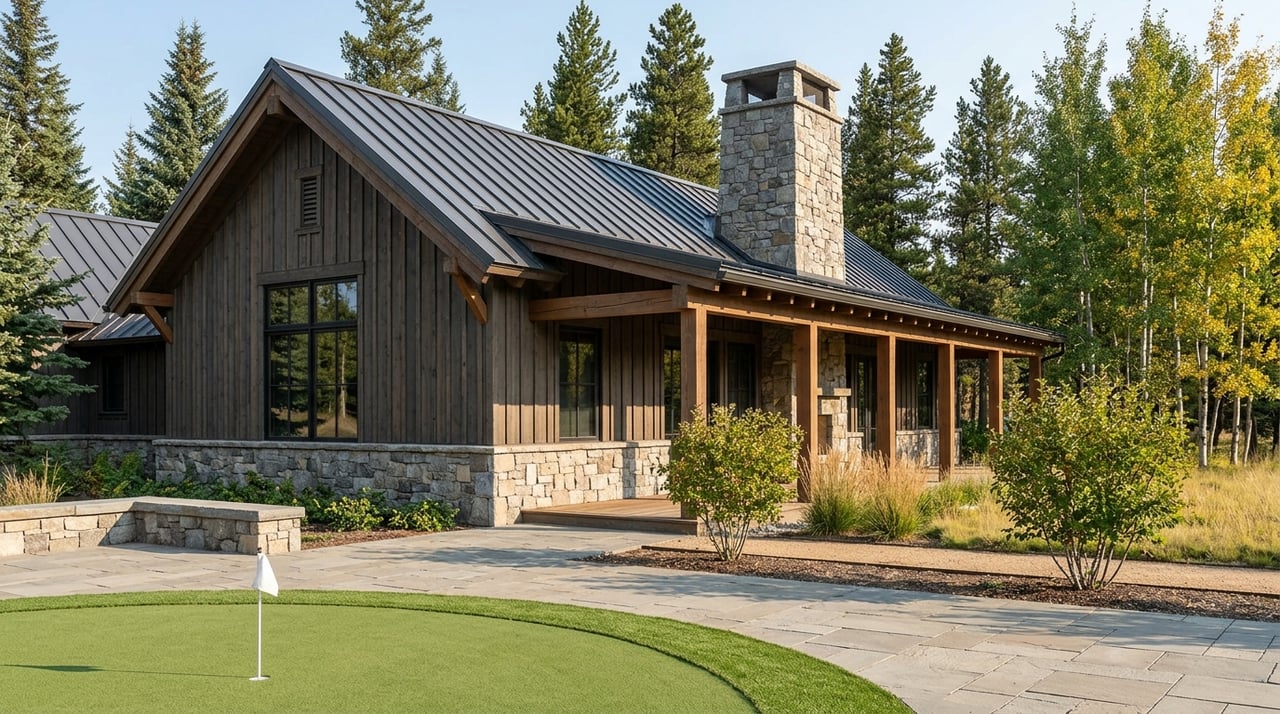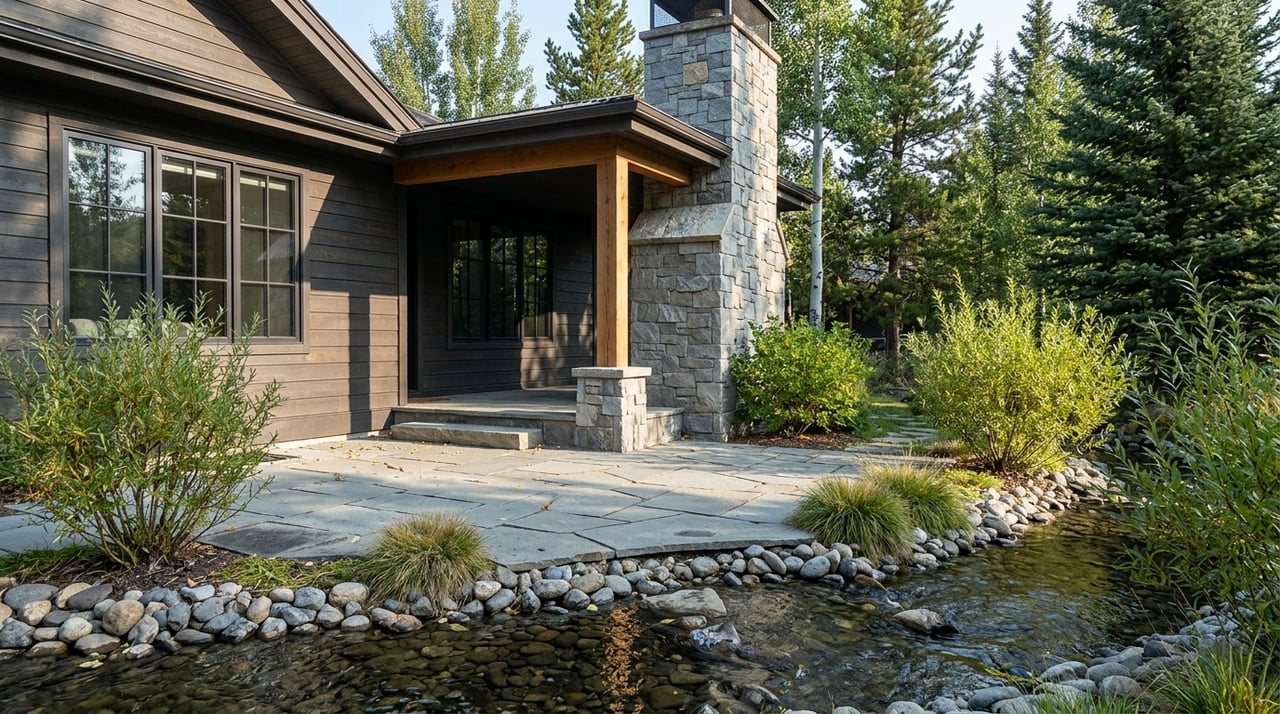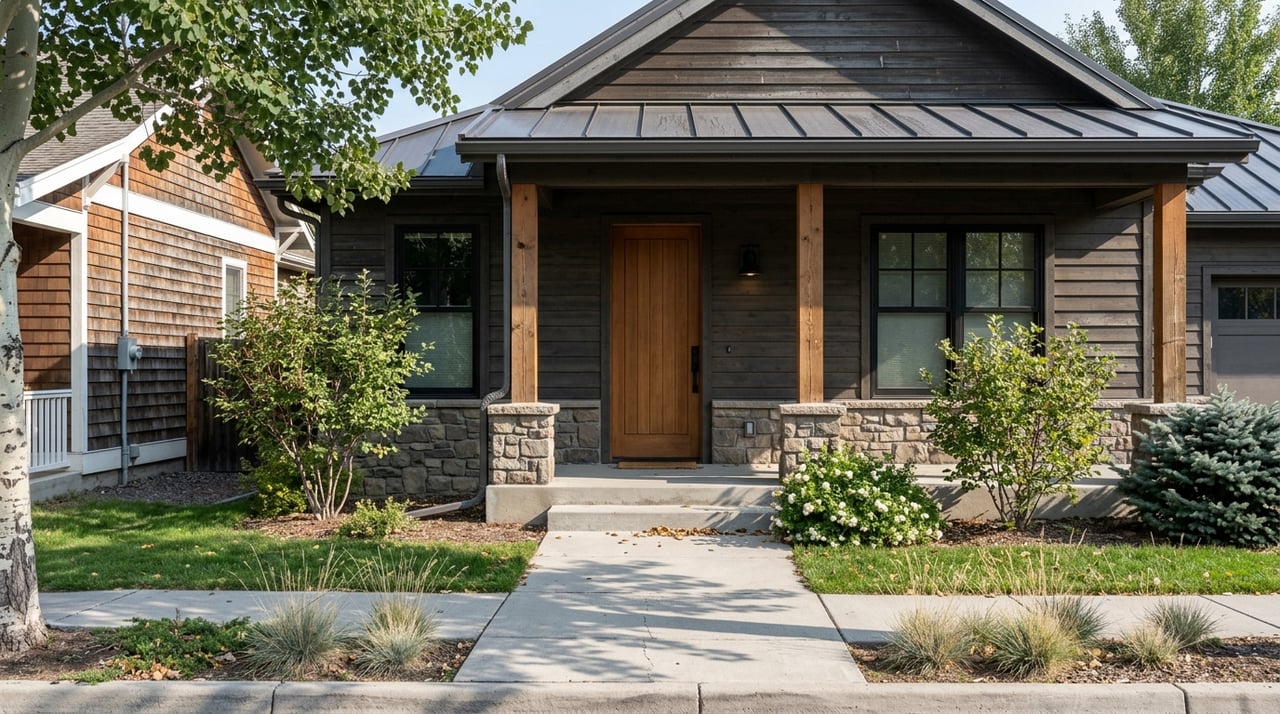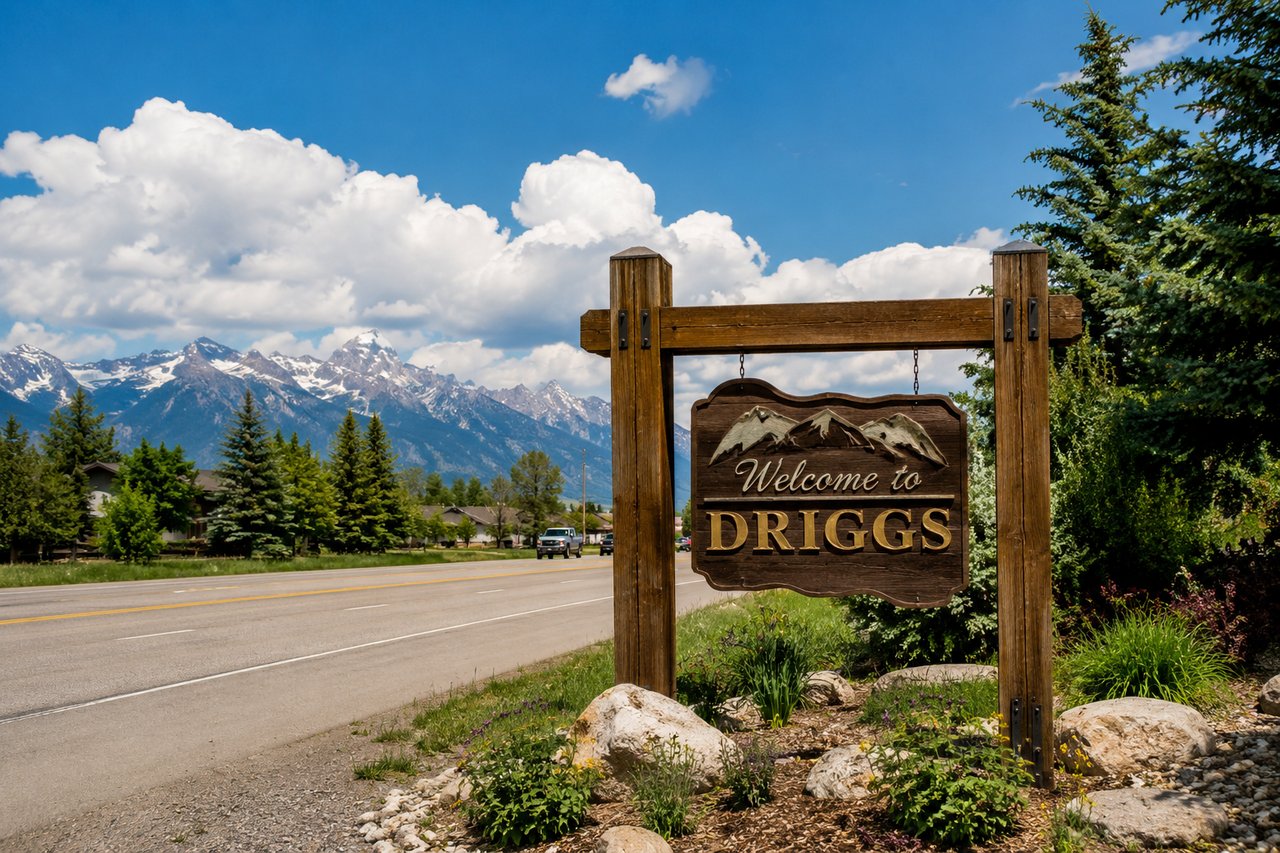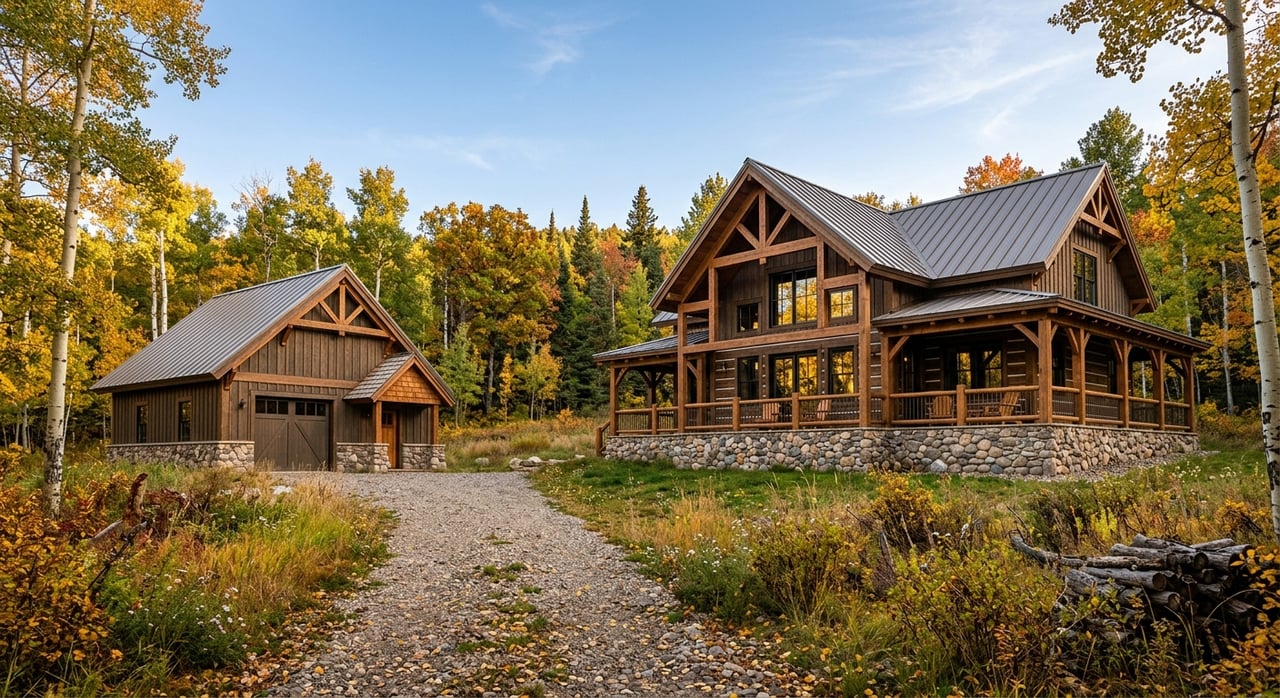
Dreaming about a quiet place in Teton Valley with a little elbow room, mountain views, and space for a barn, garden, or guest setup? A small acreage retreat can be a great fit here, but the right parcel is about much more than how many acres show on the listing. If you want a property that truly works for your goals, you need to think through zoning, access, utilities, site design, and winter conditions early. Let’s dive in.
Start With Parcel Fit
In unincorporated Teton Valley, land is regulated more like a rural working landscape than a standard subdivision lot market. That matters because two parcels with similar acreage can offer very different use options depending on the zoning district, overlays, setbacks, and access rules.
County rural districts generally begin with a 1-acre minimum lot size, but density varies by zone. For example, FH-10 allows one lot per 10 acres, while RA-35 and LA-35 allow one lot per 35 acres. RR-20 is intended to maintain a rural atmosphere while allowing gardens, farm animals, and livestock, while RA-35 is geared toward crops and livestock.
The Areas of Impact around Tetonia, Driggs, and Victor also need special attention. These are unique zoning districts within county jurisdiction, so location inside or near one of these areas can affect what a parcel supports. In practice, that means acreage alone does not tell you whether land will work as a retreat, a hobby farm, or simply a view parcel.
Why Zoning Matters Early
It is easy to fall in love with scenery and assume the land will support your full vision. In Teton Valley, the zoning district often answers the bigger question: what can actually be built and how the site can be used.
If you are considering a home, shop, barn, accessory building, or possible ADU, those uses should be reviewed before you get too far down the road. A careful read of parcel-specific zoning and overlays can help you avoid buying land that looks perfect but does not match your long-term plans.
Access Should Be a First Filter
For small acreage in Teton Valley, access is not a detail. It is one of the first things to evaluate because it affects daily livability, emergency response, construction planning, and winter use.
Teton County says every new lot must abut a public or private road that meets county standards, or use an access easement when frontage is not feasible. New roads and driveways require site plan approval and an Access/Encroachment Permit.
The county also requires an approved fire apparatus turnaround for dead-end roads or driveways longer than 150 feet. If a private road serves more than one lot, gates need approval and must allow emergency vehicle access.
Think Beyond the Showing Day
A retreat should still work when conditions are less forgiving. A driveway that feels simple in July may be a very different story during snow season.
That is why access needs to be evaluated with winter realism in mind. You want to understand not just legal access, but practical access for daily driving, deliveries, construction crews, and emergency vehicles.
Plan Utilities Before You Plan the House
Many rural parcels in Teton Valley rely on private infrastructure unless they connect to a public or community system. That usually means well, septic, and power planning should happen early, not after you have already sketched the home and outbuildings.
For water, lots not connected to public or community service must meet Idaho requirements for individual wells. That includes using a licensed well driller and obtaining an Idaho Department of Water Resources drilling permit.
For wastewater, lots without public or community service must meet state requirements for individual on-site systems. Teton County notes that an Eastern Idaho Public Health site evaluation is required at the time of septic application.
Idaho DEQ also says septic systems must be installed by a licensed basic or complex installer, except that a homeowner may establish a standard or basic system without hired help. If your property plans include irrigation or stockwater, Idaho water-right rules can also come into play because a water right is authorization to use water, not ownership of the water itself.
Power and Service Connections
Fall River Electric Cooperative serves Teton County and has a Driggs office, making it a likely first call for many unincorporated valley parcels. For property in a new subdivision or larger development, county code also expects electric and telecommunications service to each lot.
The code further requires new utility lines inside the development to be underground. That can affect both project cost and site layout, especially if you are planning a long driveway, multiple structures, or a more remote build site.
Design the Site as a Whole
One of the biggest mistakes acreage buyers make is focusing only on the house location. In Teton Valley, the county treats site design as part of the project from the start.
That means you should think about how the house, outbuildings, utilities, septic area, access drive, snow storage, and open ground all work together. A successful retreat is not just beautiful on paper. It functions well across the seasons.
In higher wildfire-risk areas, the county may require additional site, landscaping, or vegetation-management plans. The code says principal and accessory structures should be within 200 feet of the primary access roadway and requires defensible space and fuel breaks at least 10 feet wide along access roads, driveways, and subdivision boundaries.
The county also calls for vegetation management to help prevent erosion and protect water quality. Depending on the situation, the fire marshal or district ranger may be consulted on whether a plan is adequate.
Outbuildings and Accessory Uses
Teton County’s code clearly recognizes accessory buildings and structures, agricultural buildings such as barns, granaries, and silos, and ADUs where allowed. That gives many small acreage buyers a useful framework for creating a property that supports both lifestyle and utility.
Agricultural buildings may be up to 60 feet tall, but they are not for human habitation. The county also requires a building permit for all structures over 200 square feet.
For many buyers, the practical layout is fairly straightforward:
- Main house
- Barn or shop
- Storage building
- Possible ADU where allowed
- Space for septic and utility placement
- Room for safe winter circulation and turnaround
Build for Winter First
Mountain properties reward realistic planning. In Teton Valley, local building regulations reflect that with site-specific standards for snow, wind, seismic design, and frost depth.
The adopted residential code table lists a site-specific ground snow load, 115 mph wind speed, a D-1 seismic design category, a 32-inch frost line depth, and a mean annual temperature of 40.4 degrees Fahrenheit. NOAA’s 1991 to 2020 climate normals are the standard reference for typical temperature, precipitation, snowfall, and freeze-date patterns.
For you as a buyer, the takeaway is simple: roofs, foundations, water lines, driveways, and utility access should be planned around winter conditions first. Summer usability matters, but winter performance is what often defines whether a retreat feels easy to own.
Seasonal Living Checklist
As you evaluate land, keep these practical questions in mind:
- How will the driveway function during heavy snow periods?
- Where will snow storage go?
- Is the building area well positioned for access and services?
- Is there enough room for septic, well, and outbuildings without crowding the site?
- Does the property layout support defensible space and vegetation management if needed?
- Will utilities be straightforward or unusually costly to extend?
A Good Local Team Makes a Difference
Planning a small acreage retreat in Teton Valley often means coordinating several local agencies and specialists. The permit path can involve county planning and public works, Eastern Idaho Public Health, Idaho Department of Water Resources, and the electric utility.
A realistic project team often includes county-facing land-use guidance, a surveyor or civil engineer, a licensed well driller, a septic designer or installer, and a builder familiar with local snow and fire requirements. The more complex the parcel, the more important it is to understand the land before you commit to a design or closing timeline.
This is where experienced local guidance can save time and frustration. When you are evaluating ranch and recreational land, construction potential, or a more technical build site, calm due diligence matters.
If you are exploring acreage in Teton Valley and want thoughtful, low-pressure guidance, Harland Brothers Real Estate can help you evaluate land with an eye toward access, utility planning, site fit, and long-term stewardship.
FAQs
What should you check first when buying small acreage in Teton Valley?
- Start with zoning, parcel-specific overlays, and access. Acreage size alone does not tell you what the property can support.
Does a few acres in Teton Valley mean you can build whatever you want?
- No. Use rights depend on the zoning district, setbacks, overlays, and access rules, not just the total acreage.
How do wells and septic systems work for rural land in Teton Valley?
- Many rural parcels use individual wells and on-site wastewater systems, which must meet Idaho requirements and typically involve permits, a licensed well driller, and an Eastern Idaho Public Health site evaluation for septic.
Why is winter access so important for a Teton Valley retreat?
- Access affects everyday use, construction, deliveries, and emergency response, and a driveway that looks easy in summer may function very differently during snow season.
Can you add a barn or shop on small acreage in Teton Valley?
- Often yes, but it depends on the property’s zoning and site plan. The county recognizes accessory and agricultural buildings, and structures over 200 square feet require a building permit.
What local factors shape home design on acreage in Teton Valley?
- Snow load, wind speed, frost depth, wildfire-risk planning, utility layout, and access design all play a major role in how a retreat should be planned and built.