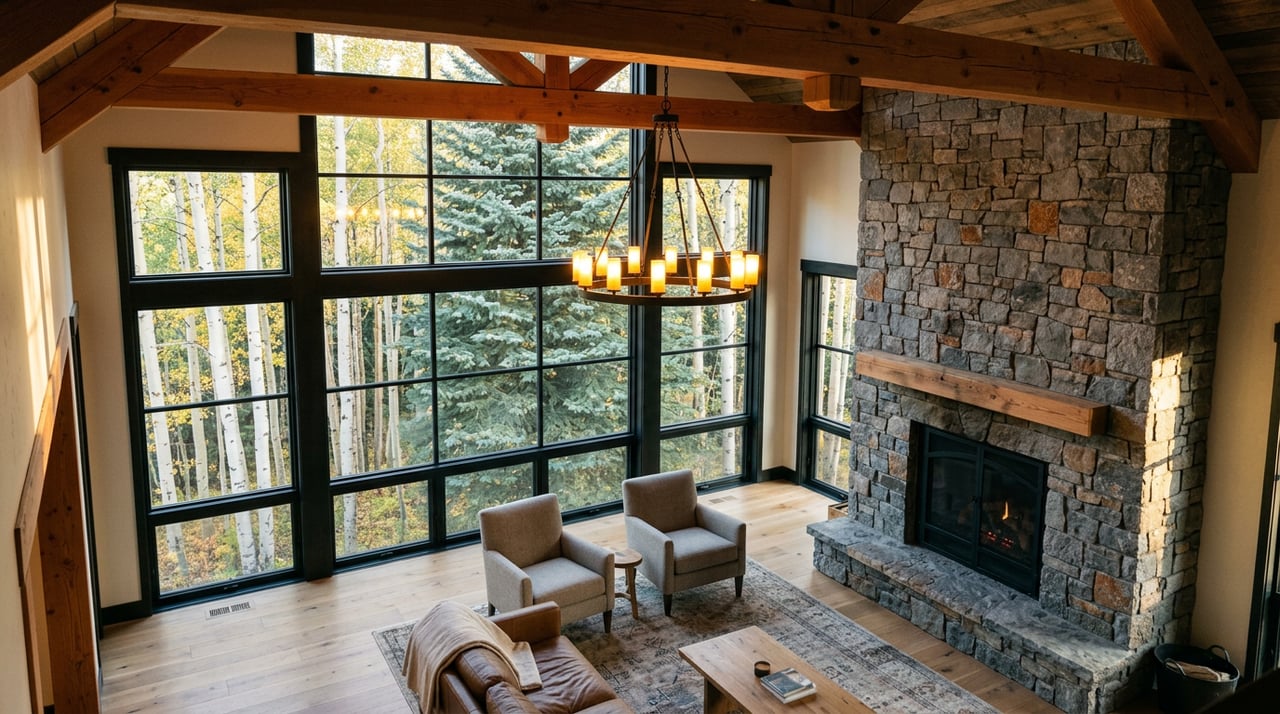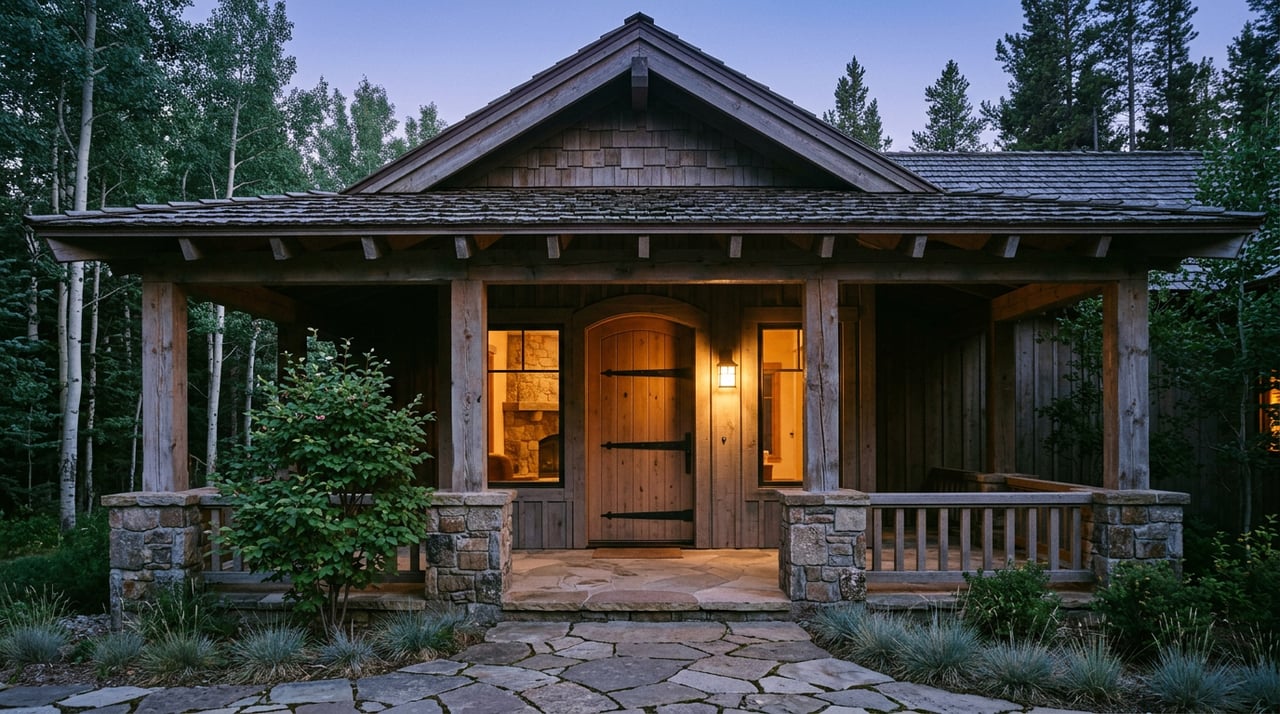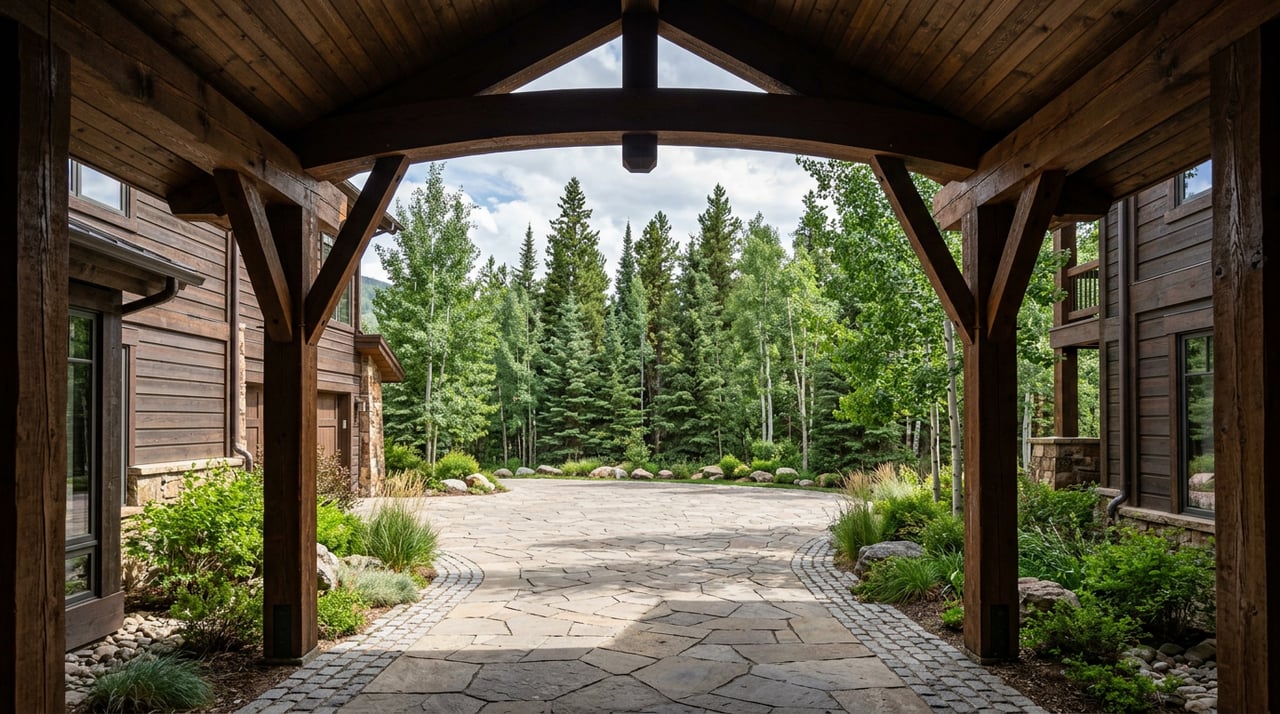
Two condos sit ten minutes apart in the Jackson Hole valley. Both are priced in the same range. Both have ski access, mountain views, and a rental history advertised in the listing. One of them can legally host a guest for three nights over a long weekend. The other cannot, under any circumstances, host a guest for fewer than 31 days. The difference has nothing to do with the building, the HOA, or the school district. It comes down to a line drawn on a map in 1994, and most buyers never ask which side of it they're standing on until after they've made an offer.
That line is the single most consequential fact for anyone weighing a short-term rental purchase in Teton Village, and almost none of the marketing built around these properties mentions it.
The Default Rule Nobody Advertises
Start with what governs unincorporated Teton County, which includes Teton Village. The county's Land Development Regulations state the baseline plainly: no residential unit or portion of a residential unit may be rented such that occupancy is limited to less than 31 days. That is not a soft guideline with exceptions carved out case by case. It is the default position for every residential parcel in the county, full stop, unless a specific carve-out applies.
Teton County enforces this. A property owner caught renting under the 31-day threshold outside an approved zone faces referral to the county attorney and a fine of up to $750 per day, with each day of a continuing violation counted as a separate offense. The county's short-term rental violations page states this without ambiguity, and the planning department has confirmed it continues to direct enforcement against violators.
So the question a buyer actually needs answered before writing an offer is not "is this a nice ski condo." It's "does this specific parcel sit inside one of the exceptions to a countywide ban."
The Seven Names That Matter
There are exactly seven residential developments in Teton County where the pre-1994 rules still apply, letting owners rent for less than 31 days. Teton County's planning director has confirmed the list publicly, and it appears in the county's own land development code:
- The Aspens
- Teton Shadows
- Teton Village
- Golf Creek
- Jackson Hole Racquet Club Resort Commercial Area (Teton Pines)
- Spring Creek Ranch
- Crescent H "Fish Lodges"
These seven were approved for short-term rental use before May 9, 1994, and the county's regulations grandfather them in under their original planned unit development approvals rather than under any newer countywide ordinance. Everywhere else in unincorporated Teton County, outside the Town of Jackson, the 31-day minimum applies with no exceptions.
Teton Village being on that list is why the neighborhood functions as an investment category unto itself. It is not that Teton Village condos happen to rent well. It is that Teton Village is one of a small, closed set of places in the entire county where nightly rental is legal at all.
Why Teton Village Doesn't Answer to the Town's New Rules
Here is where it gets genuinely counterintuitive, and where a buyer comparing Teton Village to an in-town Jackson property can get the underwriting wrong.
The Town of Jackson is a separate incorporated jurisdiction with its own short-term rental system, overhauled starting January 1, 2024. Under those rules, homes in residential zones outside the town's Lodging Overlay can be rented short-term, but only within real limits: three separate stays and 60 total rental nights per unit per calendar year, an annual Basic Use Permit, an annual business license, and mandatory neighbor notification every year. Inside the Lodging Overlay, the permit doesn't need annual renewal and neighbor notification isn't required, but that overlay covers a specific slice of downtown, not Teton Village.
Teton Village sits outside town limits entirely. It answers to Teton County's planning department, not the Town of Jackson's. And its exemption predates the town's 2024 system by three decades. Nothing in the county's grandfather clause for these seven developments imposes a 60-night cap or a three-stay limit. The restriction that caps an in-town rental doesn't reach a Teton Village condo, because they are governed by two entirely different rulebooks that happen to sit fifteen minutes apart on the same road.
That is the mechanism worth understanding before you compare a Teton Village listing to a similarly priced house in town and assume the rental math works the same way. It doesn't. One property is capped by ordinance at 60 nights a year. The other, so long as it sits inside the approved development, isn't capped by the county at all.
What This Actually Means When You're Under Contract
None of this makes Teton Village simple. The exemption applies to "portions or the entirety" of each of the seven developments, which means the boundary of what's approved for short-term rental doesn't always match the boundary most buyers assume from a map. Verifying this before removing a financing contingency is not optional due diligence. It's the whole ballgame.
A few things worth doing in order:
- Ask Teton County Planning directly, in writing, whether the specific parcel or unit is covered under the pre-1994 approval, rather than relying on a listing agent's characterization of "the neighborhood."
- Request a Zoning Compliance Verification if there's any ambiguity about whether the unit falls inside the approved footprint of the development.
- Confirm whether the HOA or the original PUD approval places its own cap on rental activity, since the county's exemption from the 31-day rule doesn't override anything the homeowners association or the development's own governing documents restrict.
- Register separately with the Wyoming Department of Revenue for state sales and lodging tax, since that obligation applies regardless of which jurisdiction's zoning rules govern the property.
None of this is unique to Teton Village. It's unique to the fact that "short-term rental legal" in this valley is a parcel-specific legal status, not a neighborhood vibe, and the stakes for guessing wrong include fines that accrue daily.
The Comparison Worth Making Before You Compare Prices
If you're weighing a Teton Village condo against an in-town Jackson property with STR potential, the honest comparison isn't square footage or proximity to the tram. It's which set of rules follows the deed. A Teton Village unit inside the approved footprint carries a rental capacity the county doesn't cap by ordinance. An in-town property, even a well-located one, is boxed into 60 nights a year the day the 2024 rules apply to it. That's not a marginal difference in an underwriting model built around nightly rate and occupancy. It changes the entire revenue ceiling.
It also changes how a lender or an appraiser might treat the property's income potential, which is exactly the kind of detail that surfaces during a transaction rather than during a casual conversation about the market. Buyers who assume permit status transfers cleanly with the sale, or who skip verifying it because the listing mentions "rental history," are the ones who find out too late that the number they underwrote assumed a legal status the parcel doesn't actually carry.
A Few Questions Worth Asking Directly
Does the exemption cover every unit in Teton Village, or just some buildings? The county's language covers "portions or the entirety" of the development, so verification at the parcel level with Teton County Planning is the only reliable answer. Don't assume based on the development's name alone.
If I buy just outside the Teton Village boundary, can I still short-term rent? Not under the county's current rules. The 31-day minimum applies to every residential parcel in unincorporated Teton County that isn't inside one of the seven named developments, regardless of how close it sits to the resort.
Does the Town of Jackson's 60-night cap ever apply inside Teton Village? No. Teton Village is governed by Teton County, not the Town of Jackson. The town's 2024 rules govern properties inside town limits only.
Can the county change this exemption later? The county's planning department has affirmed current enforcement of the existing rules, but land use regulation is set by the Board of County Commissioners and can be revisited. Anyone underwriting a long-hold investment should treat the current framework as the operative one today, not as a permanent guarantee.
Where This Leaves a Buyer
The properties in Teton Village that carry real short-term rental value aren't valuable because they're pretty or close to the lifts. They're valuable because they sit on the right side of a boundary that most other parcels in the county don't get to cross. Understanding that boundary, and confirming it in writing before you're committed, is the difference between buying an income property and buying a very expensive long-term lease.
If you're comparing a Teton Village purchase against other Jackson Hole options and want someone who can walk the parcel-level zoning question with you before you're under contract, Harland Brothers Real Estate has spent years in this valley sorting out exactly this kind of local detail. Work With Us when you're ready to look at what a property can actually do, not just what it looks like it can do.